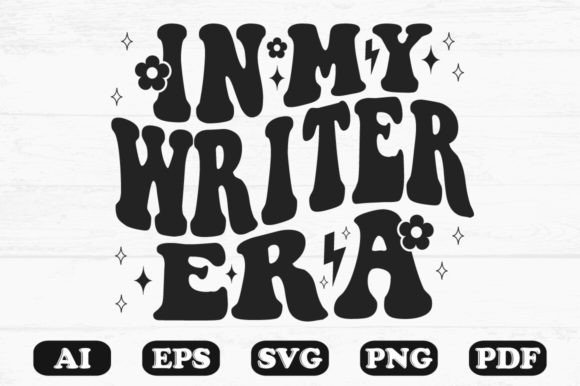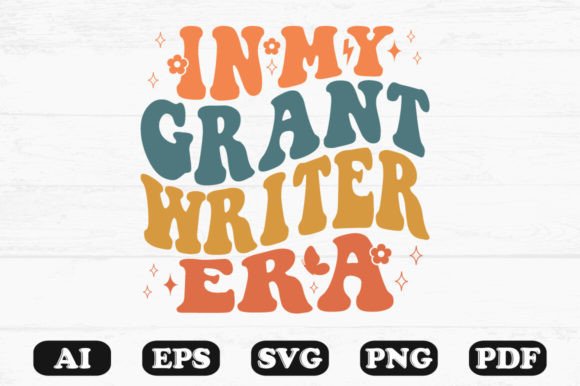
In My Grant Writer Era Retro Wavy Svg
As a designer with years of experience in embroidery and digital design, I’ve evaluated countless files for real-world use. In My Grant Writer Era Retro Wavy Svg caught my attention not just for its aesthetic, but for how it could translate into practical, high-quality projects. This retro wavy SVG has a nostalgic charm that feels right at home on custom apparel, handmade gifts, and small business merchandise. But like any design, it needs to be approached with care to ensure it meets the expectations of both the creator and the end user.
The First Impression: A Nostalgic, Wavy Vibe
From the moment I opened In My Grant Writer Era Retro Wavy Svg, I was struck by its visual personality. The wavy lines and vintage typography create a sense of nostalgia that’s hard to ignore. It feels like a design that could have come from a 70s or 80s poster, reimagined for modern use. The layout is clean, with a strong central focus that makes it ideal for embroidery projects where clarity and impact matter.
The design isn’t overly complex, which is a plus for embroidery. Too many digital files try to pack in too much detail, leading to messy stitching or poor visibility. In My Grant Writer Era Retro Wavy Svg strikes a balance—enough character to stand out, but not so intricate that it becomes impractical for most machines or fabric types.
Real-World Embroidery Use Cases
When considering where In My Grant Writer Era Retro Wavy Svg would fit best, several applications come to mind. Custom tote bags, sweatshirts, and baby clothes are natural candidates. Its retro feel pairs well with casual, everyday items that customers want to wear or display. For example, a personalized tote bag with this design could be a hit at a craft fair or an Etsy shop.
It also works well as an embroidered patch or applique design. The wavy lines can add a subtle texture without overwhelming the overall look. For small business owners, this design could serve as a signature element for a brand, helping to build recognition and consistency across products.
However, I’d advise caution when using it on smaller hoop sizes. The design’s curves and spacing might not translate well if the hoop is too tight, leading to distorted stitches or incomplete coverage. Similarly, on textured fabrics or thin materials, the design may not sit as smoothly as expected.
Where to Be Careful: Fabric and Design Limitations
While In My Grant Writer Era Retro Wavy Svg is versatile, there are certain scenarios where it might not perform as well. On dark fabrics, the contrast between the design and the background could be an issue unless the thread color is carefully selected. Thin or stretchy fabrics may cause the stitches to pucker or lose definition.
For curved surfaces like caps or hoods, the design’s shape might require some adjustment to ensure it wraps properly. Tiny lettering or detailed corners could become lost in dense stitch areas, so it’s important to test the design on different fabrics before committing to a large batch.
If you’re planning to use this as part of a layered garment or a product that will see frequent washing, consider how the design will hold up over time. Stabilizer choice and proper hoop size play a big role in ensuring longevity and stitch quality.
Impact on Visual Appeal and Customer Perception
One of the strongest aspects of In My Grant Writer Era Retro Wavy Svg is its ability to elevate a finished product. When stitched correctly, it adds a touch of personality that can make a handmade item or custom apparel stand out. Customers often respond positively to designs that feel unique and intentional, which is exactly what this file offers.
For small business owners and Etsy sellers, this design can help build trust with buyers. A well-executed embroidery project with a clear, professional look can increase customer satisfaction and encourage repeat purchases. It also supports brand consistency, especially if the design is used across multiple products or marketing materials.
But it’s important to remember that the success of any embroidery project depends on more than just the design itself. Thread color, stitch density, and stabilizer choice all play a role in how the final product looks and feels. In My Grant Writer Era Retro Wavy Svg is a great starting point, but it needs to be paired with good technique to reach its full potential.
Practical Designer Notes: What to Test Before Using
Before using In My Grant Writer Era Retro Wavy Svg in a commercial or client project, I recommend doing a few key tests. Start by stitching it on scrap fabric to see how the design translates in real life. Pay attention to how the wavy lines and text appear—do they hold their shape? Are the stitches smooth and even?
Check the thread color contrast against different fabric backgrounds. If the design is meant for both light and dark materials, make sure it works in both scenarios. Also, review the stitch density to ensure it’s not too heavy or too light for the intended fabric type.
Don’t forget to confirm the hoop size required for the design. If the design is larger than your machine’s standard hoop, you may need to adjust or split it into sections. Finally, verify the licensing terms if you plan to sell finished products or digital files. Even the best designs can cause issues if used without proper permissions.
Final Thoughts: A Solid Choice for the Right Project
In My Grant Writer Era Retro Wavy Svg is a design that has the potential to shine in the right context. Its retro wavy style is visually appealing and adaptable, making it a good fit for a range of embroidery projects. However, like any design, it requires thoughtful application to ensure it meets the standards of both the creator and the end user.
For embroidery designers, crafters, and small business owners, this file could be a valuable addition to your design assets. Just be sure to approach it with the same care and attention you would give any other embroidery file. With the right technique and consideration, In My Grant Writer Era Retro Wavy Svg can become a standout piece in your portfolio or product lineup.