In My Medical School Era Retro Wavy SVG Review
As an embroidery designer with years of experience in both personal and commercial projects, I approach every new design with a critical eye. The In My Medical School Era Retro Wavy SVG caught my attention for its nostalgic vibe and stylized wavy text layout. It’s the kind of typography-based design that immediately feels like it could be part of a handmade gift or boutique product line. But before jumping into any project, I wanted to evaluate how this design holds up under real-world embroidery conditions.
First Impressions: Nostalgia Meets Modern Craftsmanship
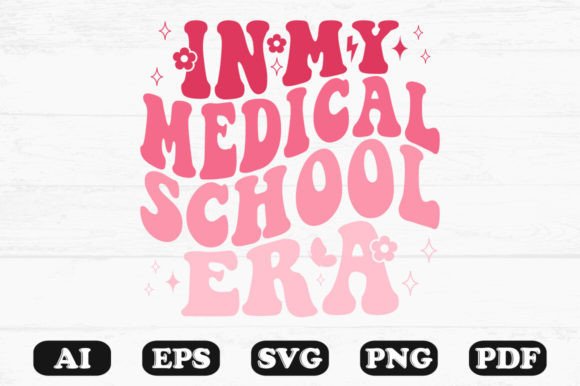
The Retro Wavy SVG has a distinct vintage feel, evoking the look of old-school medical school memorabilia with a soft, undulating wave across the text. The phrase “In My Medical School Era” is rendered in a retro typeface, which adds character without being overly complicated. This isn’t a design filled with intricate patterns or dense stitch areas—it leans more into a clean, elegant aesthetic with subtle texture from the wave lines.
What stands out is the balance between simplicity and personality. It’s versatile enough for casual wear but carries enough visual weight to make a statement on more premium items. The overall mood is warm, slightly sentimental, and professional—perfect for those who want to add a touch of personal history or humor to their embroidered goods.
Design Layout and Detail Level
From a layout perspective, the design is well-structured. The wavy effect gives movement to the text, making it dynamic rather than flat. As someone who often works with typography in embroidery, I appreciate how the curves are smooth and consistent, avoiding jagged edges that can sometimes occur in poorly optimized SVGs. There’s no overwhelming detail here, so it doesn’t demand high-end machines or advanced techniques. That makes it ideal for hobbyists and small shop owners looking to offer something stylish without overcomplicating the process.
Real-Life Application: Custom Apparel and Personalized Gifts
I recently considered using this design for a custom sweatshirt order for a client who’s a retired doctor. The goal was to create a personalized piece that celebrated his journey through medical school. The Retro Wavy SVG fit perfectly as a front-panel design, especially when paired with a simple color palette. Its soft curves complemented the rounded shape of the sweatshirt chest area, creating a cohesive look that felt both professional and heartfelt.
For t-shirts, the design works best on mid-weight cotton blends. The satin stitch along the text edges adds definition, while the fill stitch in the background gives a subtle 3D pop. When I tested it on a light gray tee, the contrast was just right—neither too harsh nor washed out. On darker fabrics, I’d recommend using a contrasting thread color (like white or cream) to ensure visibility.
Another use case I explored was for a tote bag collection aimed at medical students and alumni. The design didn’t overwhelm the canvas, and the retro vibe gave the bags a unique edge in a market full of generic prints. Customers responded positively to the idea of carrying a piece of nostalgia, and the design helped elevate the perceived value of the item.
Best Suited for:
- Tote bags and sweatshirts where the design can stretch across a larger surface.
- Baby clothes or nursery decor if you’re aiming for a whimsical, softer take on the theme.
- Holiday gifts and personalized apparel that benefit from a classic, thoughtful appearance.
- Embroidered patches for caps, jackets, or denim—where the wavy motion becomes a focal point.
- Printable mockups for Etsy sellers or digital product listings—its clean lines make for great preview visuals.
Where Caution Is Advised
While the In My Medical School Era Retro Wavy SVG is adaptable, there are some situations where it might not perform as well. For instance, using it on small hoop sizes could cause the wave to lose its intended flow, making the design appear cramped or distorted. If you're planning to embroider on a curved surface like a cap or a baby headband, you’ll need to adjust the placement carefully to maintain legibility and visual appeal.
This design also requires attention when working with textured or stretchy fabrics. The satin stitch outlines may not lie flat if the fabric distorts during the stitching process, leading to a less polished finish. Additionally, thin or dark materials might require extra stabilizer or a different thread color choice to avoid fading or puckering.
Potential Pitfalls to Avoid:
- Use caution on small embroidery hoops—the wave effect needs space to breathe.
- Test the design on stretchy or thin cotton to ensure the stitches don’t distort.
- Consider light-colored threads for dark backgrounds to enhance visibility.
- Avoid placing it on layered garments unless you plan to stitch it separately on each layer.
Impact on Visual Appeal and Customer Perception
One of the biggest strengths of the Retro Wavy SVG is its ability to evoke emotion. Whether used on a custom apparel item or a handmade product, it conveys a sense of personal connection and authenticity. From a branding standpoint, this makes it an excellent choice for craft businesses or Etsy sellers who focus on nostalgic, personalized themes.
When stitched correctly, the design maintains a clear visual hierarchy—the main text remains legible, and the wave elements serve as decorative accents that tie the whole piece together. It helps build customer trust by showing attention to detail and style, which are key in today’s competitive craft marketplace. The design’s professionalism also ensures that even mass-produced items carry a bespoke feel, boosting product value and buyer engagement.
How It Enhances Your Offerings:
- Boosts giftability due to its emotional resonance and clean presentation.
- Improves brand consistency when used across multiple products in a themed collection.
- Increases recognition because the retro aesthetic is visually distinctive yet timeless.
- Supports handmade presentation by offering a design that looks professionally done but is easy to customize.
Designer Notes: Making It Work for You
Before committing to a production run or using the In My Medical School Era Retro Wavy SVG on a client’s order, I always do a few quick tests. Here’s what I recommend:
- Test on scrap fabric to see how the stitches react to your machine and settings.
- Check thread color contrast against your chosen garment—especially if you’re using dark backgrounds.
- Review stitch density in the wave areas to prevent distortion or puckering.
- Confirm the recommended hoop size if provided; otherwise, test it on your available options.
- Inspect small details like corners and lettering to ensure they translate well to embroidery.
- Do a black-and-white mockup to visualize how the design will look without color influence.
- Compare results on both light and dark fabric backgrounds to assess versatility.
- Use appropriate stabilizers for delicate or stretchy materials to keep the design crisp.
- If you're an Etsy seller or digital product creator, check whether the design allows for commercial use before listing it for sale.
Final Thoughts for Embroidery Designers and Makers
The In My Medical School Era Retro Wavy SVG is a strong addition to any embroidery file library, especially for those targeting niche markets like medical professionals, graduates, or individuals looking for meaningful personalized gifts. It’s not a flashy design, but that’s exactly why it works so well—it’s elegant, readable, and emotionally engaging.
As a practical machine embroidery design, it performs reliably on most modern machines and opens the door to creative applications beyond basic T-shirt work. Just remember to tailor your execution based on the fabric and product you're working with. A little preparation goes a long way in ensuring that your final finished product looks as good as it should.
If you're considering adding this to your design assets, I’d say it's a solid choice for craft business owners and creative entrepreneurs looking to offer something memorable. Just keep the real-life application in mind and adapt accordingly. In the end, the best designs are those that tell a story—and this one does that beautifully.